
Florida, with a little more context
A little closer to the real Florida.
Coastlines are only the beginning. Follow the water inland, look closely at a historic wall, or make room for one well-chosen park.
Start here for an independent introduction to Florida's landscapes and places.
Find your starting point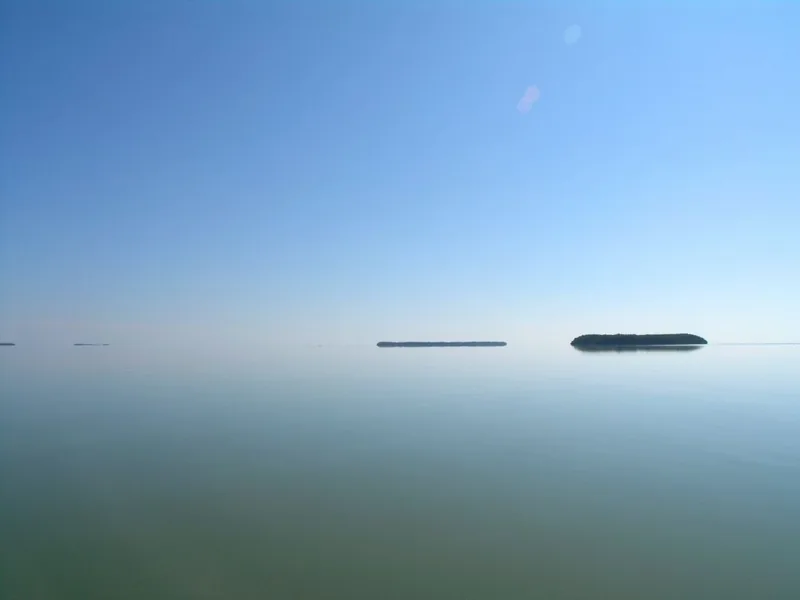
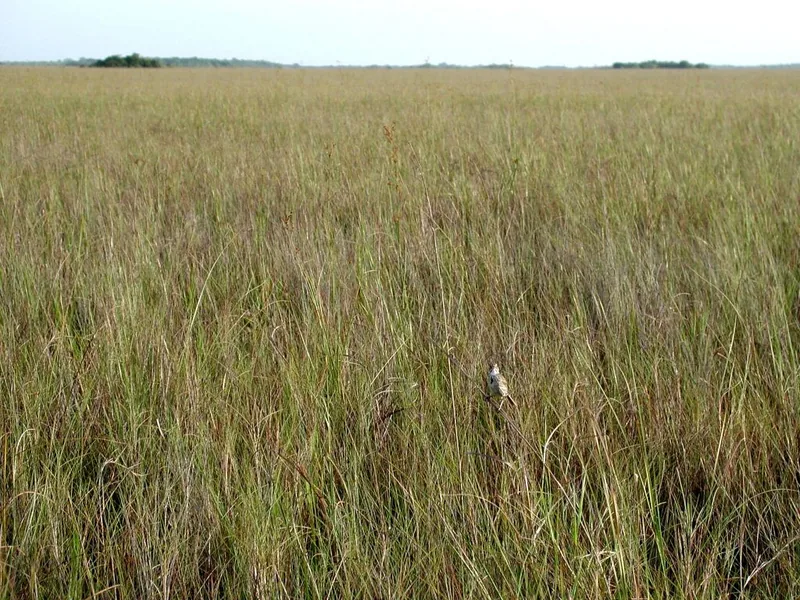
01 / Begin with a region
Find a place,
not a checklist.
An orientation to the Panhandle, Atlantic side, peninsula and southern wetlands. These are editorial starting points, not official regional boundaries.
Choose your base first. Then choose the landscape or story you want to understand.
Read the regional guide02 / Look along the shore
The coast has more
than one story.
A beach, a lagoon and a mangrove shoreline are different kinds of water's edge. Compare protected settings before choosing a day outside.
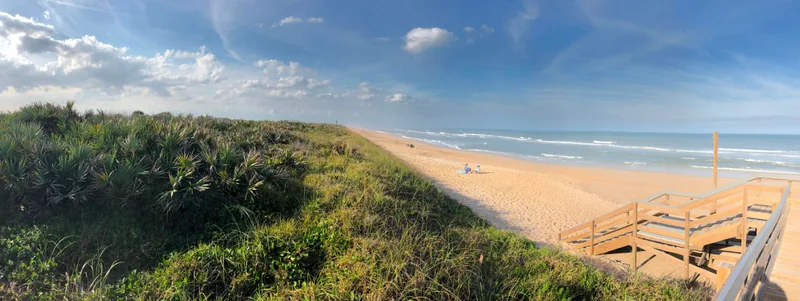
Read across the landscape, not just toward the ocean. Canaveral, Gulf Islands and the southern waters offer different starting questions.
Explore parks & coastsSource notes: Canaveral National Seashore · Gulf Islands National Seashore · Habitats and Plant Communities
03 / A closer study
Meet the Everglades
on its own terms.
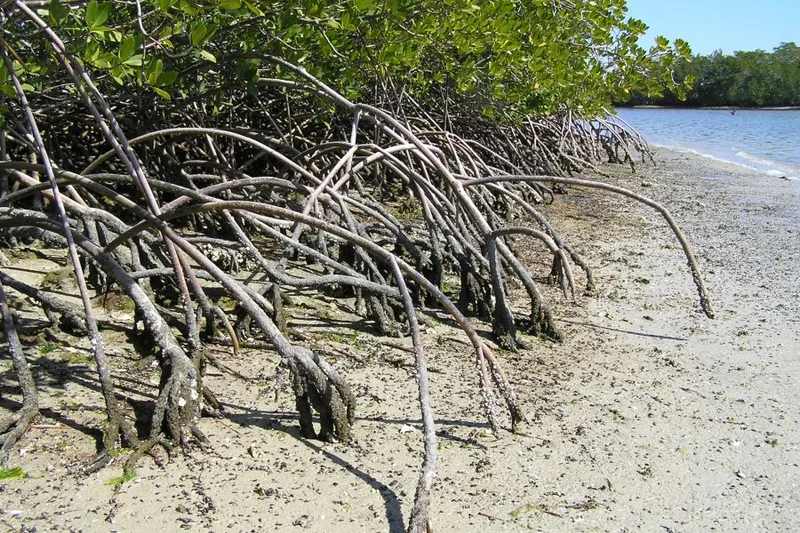
This is a mosaic of wetland, forest and marine habitats, not one endless swamp. Read the landscape before planning the visit.
Understand the EvergladesSource notes: Everglades National Park · Habitats and Plant Communities
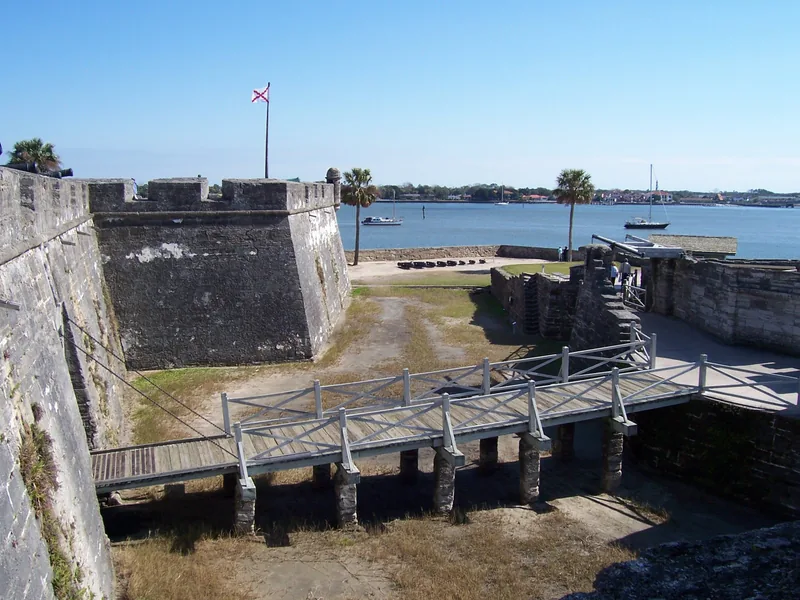
04 / Places with a past
Read a place
through its past.
Historic sites reward questions about who built, used and interpreted them. Start with the Castillo in St. Augustine and Fort Jefferson in the Dry Tortugas.
A building's story is bigger than its postcard view.
Explore historic FloridaSource notes: Castillo de San Marcos National Monument · Dry Tortugas National Park
- Choose a place. Name the exact destination and the question that interests you.
- Check official details. Consult current access, visitor information and instructions before travelling.
- Leave room to adjust. This guide provides context, not live conditions or a fixed itinerary.